Traditional, ethnic and modern
Clothing and fashion provide the perfect material medium through which cultural and conceptual shifts, and evolving identities can be negotiated, fine-tuned and [re]shaped to suit individual and collective needs.
To many foreigners, the saree is perceived as the only costume of Indian women. This misconception may be attributed to the fact that the majority of foreign officials who visit India do not come in contact with college students but may meet wives of the high officials. At such functions the women are attired in the saree.
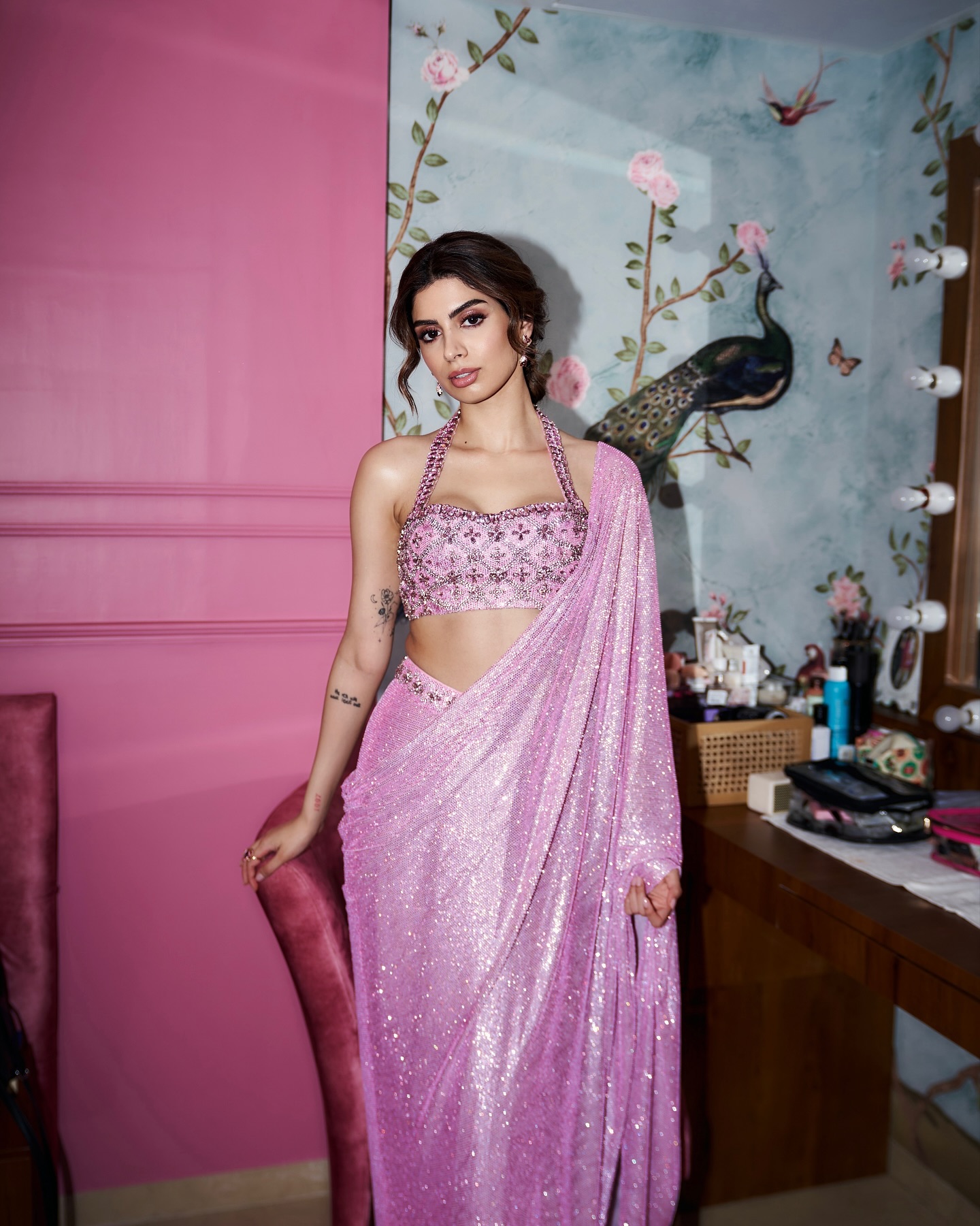
If the story of women's dress in India during the Indian nationalist movements is about the evolution of a new sari style that captured the essence of the political and social climate of the time, the later part of the twentieth century could be discussed in terms of the salwar kameez as the material medium for the experience of modern roles and new fashions for women.
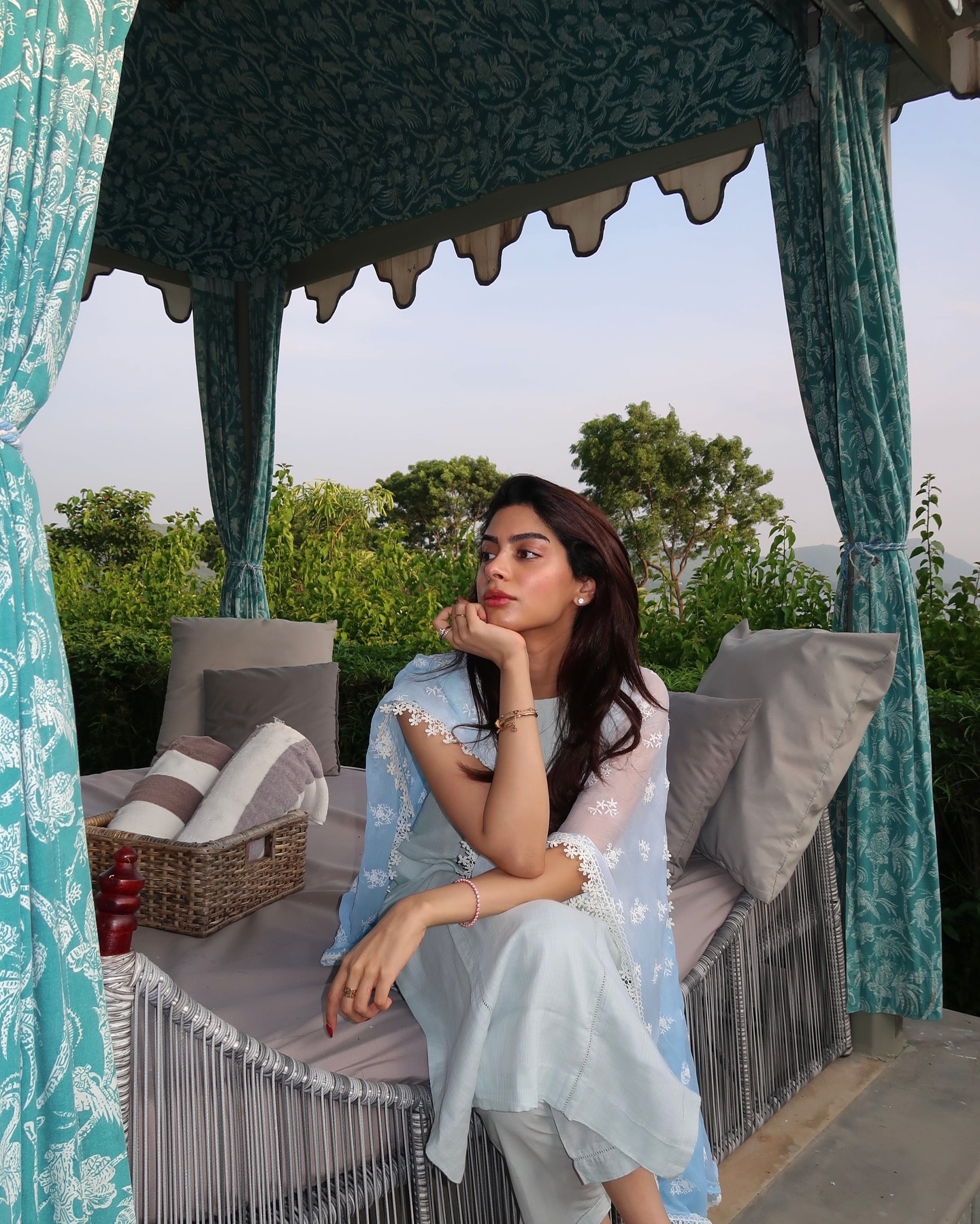
It is beyond question traditionally Indian, but the transitions and fashions it has witnessed in its design demonstrate the ability of the garment to be modern and shift and change according to the times.
Throughout the colonial period, when “Westernisation” was perceived by many as “civilisation”, members of the Indian elite had faced the problem of how far they should Westernise their dress. At a national level, this problem revolved around a conflict between European and Indian values and tastes. At a more personal level, it touched on notions of loyalty to family, self, caste, religion, region and race.

Without doubt, Indian fashion is yet again at a very exciting juncture.